


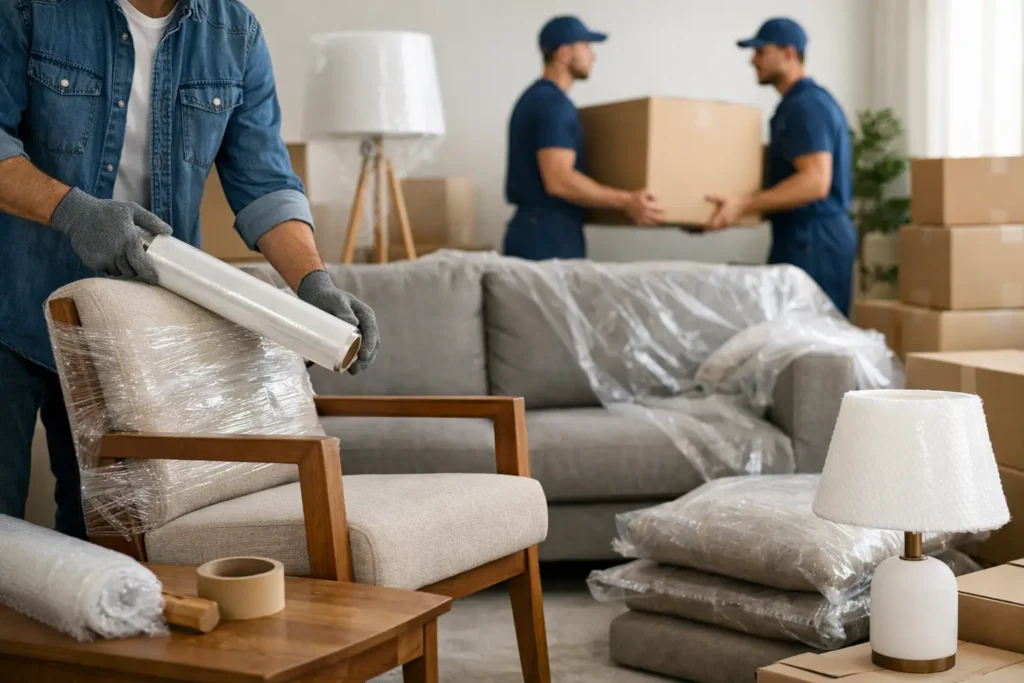
The dresser that survived three apartments can still get chipped in one bad hallway turn. Most furniture damage does not happen because a mover is careless. It happens because pieces were not properly emptied, wrapped, disassembled, or staged before the truck is loaded. If you are wondering how to prepare furniture for movers, the goal is simple – reduce risk, speed up the move, and make sure each item arrives in the same condition it left.
Preparation does not need to be complicated, but it does need to be deliberate. A clean plan protects everything from dining tables and bookshelves to sectionals, bed frames, and antiques. The right prep also helps your moving crew work faster and more safely, which matters whether you are moving across the Bay Area, heading to Sacramento, or planning a longer-distance relocation.
How to prepare furniture for movers before moving day
Start at least a few days early if you can. Furniture prep always takes longer than people expect, especially once you begin emptying drawers, sorting hardware, and deciding what should be disassembled. Waiting until the night before usually leads to rushed wrapping and loose parts getting lost.
Walk room by room and decide which pieces are moving, which are being donated, and which should be left behind. This matters more than it seems. Movers can only work efficiently when the load plan is clear. If half the furniture is still a maybe on moving day, the job slows down and the risk of confusion goes up.
As you do this, pay attention to access. Measure tight doorways, elevators, stairwells, and corners. A large sectional or solid wood armoire may fit in the room perfectly but still need to be partially disassembled to get out. Identifying those problem pieces early gives you time to prepare instead of improvising with tools in the middle of the move.
Empty everything that can shift or spill
One of the most common mistakes is leaving contents inside furniture. A few lightweight linens inside a dresser may not sound like a big deal, but extra weight stresses joints, makes lifting less safe, and increases the chance that drawers slide open in transit.
Remove clothing, books, electronics, decor, and anything fragile from drawers, shelves, cabinets, and hutches. For desks and media consoles, check every hidden compartment. Tape is not a reliable solution for loaded drawers because adhesive can damage finishes and still fail under weight.
This is also the time to remove anything that can leak, melt, or stain. Oil diffusers, candles, pens, cosmetics, and cleaning products should never stay inside furniture during a move. Upholstery and finished wood can be permanently damaged by one small spill.
Clean furniture before you wrap it
Dust and grit can scratch surfaces once padding is applied and tightened. A quick wipe-down with the right cleaner helps more than people realize. Clean wood with a product made for finished wood, wipe glass thoroughly, and vacuum upholstered pieces so dirt is not ground into the fabric during handling.
The key is to let everything dry completely before it gets wrapped. Trapping moisture under pads or plastic can create problems, especially for wood, leather, and fabric. If you are moving items into storage, this becomes even more important because trapped moisture has more time to cause damage.
Disassemble what makes sense
Not every piece should be taken apart, but many pieces should. Bed frames, dining tables with removable legs, sectional sofas, large desks, and freestanding shelves are often safer to move in sections. Disassembly can reduce strain on joints, lower the chance of wall damage, and make loading more controlled.
There is a trade-off here. Over-disassembling can waste time and increase the odds that screws, bolts, or brackets go missing. Only take apart what improves safety or access. If a table fits through the door without stress, it may be better left assembled. If a bed frame or modular sofa clearly needs to come apart, do it before movers arrive unless disassembly is part of your booked service.
Place hardware in sealed bags and label each one clearly. Then tape the bag to the underside of the furniture only if the finish will not be affected. A better option is often to keep all labeled hardware bags together in one marked box that travels with you.
What to remove first
Start with glass shelves, table leaves, bed slats, mirrors attached to dressers, and detachable legs or knobs that could snap off. Any component that moves independently during transport is a risk factor.
For adjustable furniture such as office chairs, extendable tables, or reclining pieces, secure moving parts in their safest position. If a mechanism is delicate or expensive to replace, ask ahead of time whether it needs a special packing method.
Protect surfaces, corners, and weak points
Good wrapping is about more than covering furniture. It is about protecting the specific places that usually take impact – corners, edges, feet, handles, and glass.
Wood furniture should be padded with clean moving blankets or furniture pads. Sharp corners benefit from extra corner protection. Glass components should be removed and wrapped separately whenever possible. Upholstered furniture should be protected from dirt and moisture, but breathable protection is usually better than trapping fabric too tightly for long periods.
Plastic wrap has its place, but it is not a substitute for padding. It helps secure blankets and keep drawers or doors from swinging, yet direct plastic against some wood and leather finishes can cause issues if left on too long, especially in heat. This is one of those it-depends situations where the material matters.
If you have antiques, custom pieces, marble tops, or high-value designer furniture, basic wrapping may not be enough. Those items often need custom crating or a more controlled white-glove approach. That costs more, but it can be the right decision when replacement is not realistic.
Special care for common furniture types
Sofas and upholstered chairs
Vacuum them first, remove cushions if possible, and pack cushions separately if that creates a cleaner fit. Protect the frame and fabric from dirt, especially if the move includes elevators, shared hallways, or rainy conditions. Check pockets and under cushions for small items that can damage fabric when compressed.
Dressers and chests
Empty every drawer unless your mover specifically approves otherwise for a small, lightweight piece. Remove delicate knobs if they protrude and are easy to damage. Wrap the body of the piece with padding, not just plastic.
Tables
Remove legs when practical, especially for dining and console tables. Protect the top surface with pads and reinforce corners. For stone, marble, or glass tops, separate packing is usually the safer route.
Beds
Disassemble frames, keep slats and support pieces together, and bag all hardware. If the bed has storage drawers or an adjustable base, note that in advance because those systems often need more time and care.
Bookshelves and cabinets
Empty everything, remove shelves, and secure doors. Tall pieces can become unstable if left partially loaded, and adjustable shelves can bounce loose during transport.
Label what matters to reassembly
A little labeling saves a lot of frustration at delivery. Mark hardware bags by room and furniture type. If multiple similar items are being disassembled, add simple notes like primary bedroom bed or office shelf left side.
You can also place discreet painter’s tape labels on hidden sections to show how parts align. This is especially helpful for modular desks, entertainment units, and sectionals with multiple connecting pieces.
Create a clean path for the moving crew
Knowing how to prepare furniture for movers is not only about the furniture itself. The path out of the home matters just as much. Clear hallways, remove rugs that can slide, prop open interior doors when safe, and make sure parking and building access are sorted out ahead of time.
If you live in an apartment or condo, reserve elevators if required and confirm certificate of insurance requirements early. Delays at the building level can disrupt an otherwise well-prepared move. For homes with narrow entries or multiple flights of stairs, flag the hardest pieces in advance so the crew can plan labor and equipment appropriately.
Know when to leave it to professionals
Some furniture is straightforward. Some is not. Pianos, safes, oversized treadmills, custom glass, artwork-integrated furniture, and items over 250 pounds should never be treated like regular household pieces. The same goes for luxury furniture with delicate finishes or privacy-sensitive estates where controlled handling matters.
This is where a fully licensed, insured, and bonded mover earns their keep. Professional crews do not just lift. They evaluate weight distribution, protection materials, access constraints, and truck placement. That process is what reduces damage claims and keeps the move on schedule. For customers who want a single operator to handle packing, disassembly, transport, and setup without guesswork, that all-in-one model usually creates fewer problems than piecing services together.
Furniture prep is really about control. The better you control contents, surfaces, hardware, and access, the smoother moving day becomes. Give your furniture the same attention you give your boxes, and it will usually pay you back in one simple way – everything works, fits, and looks right when the move is over.
Need more info?
Keep reading

23 September 2026
21 September 2026
19 September 2026